Skip navigation

A trial of bortezomib with R-CHOP for diffuse large B cell lymphoma (REMoDL-B)

This trial is trying to find out if a drug called bortezomib (Velcade) can help to stop diffuse large B cell lymphoma (DLBCL) coming back after treatment.

DLBCL is one of the most common types of high grade non Hodgkin’s lymphoma. The standard treatment for DLBCL is a combination of chemotherapy and a monoclonal antibody called rituximab. This treatment is called R-CHOP. For many people, it gets rid of the lymphoma cells (gets it into remission). But sometimes DLBCL does not go away, or comes back after a period of remission.

Doctors want to see if adding other drugs to the standard treatment will make it work better. They also want to see if they can work out in advance who is most likely to benefit. In this trial, they are looking at a drug called bortezomib, which is a type of biological therapy called a proteasome inhibitor.

We know from research that there are 2 distinct sub types of DLBCL, which researchers call GCB and ABC. The type you have depends on the activity of genes in your lymphoma cells. As part of this trial, researchers will use a technique called molecular profiling to look at the genes in each patient’s lymphoma cells and see which type they have. They will then compare how people with each sub type get on.

The aims of the trial are to

  • Find out if R-CHOP and bortezomib is better than R-CHOP alone as the first treatment for diffuse large B cell lymphoma
  • See if knowing the genetic sub type can help to show who is most likely to benefit from having bortezomib

Recruitment

Start 17/05/2011
End 01/01/2015

Phase

Phase 3

Who can enter

You can enter this trial if you

  • Have been diagnosed with diffuse large B cell lymphoma and have not had any treatment for it yet
  • Have a protein called CD20 on your lymphoma cells (your specialist can advise you about this)
  • Have satisfactory blood test results
  • Are willing to use reliable contraception during the trial and for a year afterwards if there is any chance you or your partner could become pregnant
  • Are at least 18 years old

You cannot enter this trial if you

  • Have lymphoma that has spread to your brain
  • Have previously had a slow growing, low grade lymphoma (an indolent lymphoma)
  • Have had heart failure or heart pain (angina), or have any other heart condition that is a cause for concern
  • Have an infection that cannot be controlled with medication, or any other serious medical condition that the trial doctors think could affect you taking part
  • Have had any other type of cancer in the last 5 years apart from carcinoma in situ of the cervix or non melanoma skin cancer that was successfully treated
  • Have had an allergic reaction to substances called boron or mannitol
  • Are HIV, hepatitis B, or hepatitis C positive
  • Are pregnant or breastfeeding

Trial design

This is a phase 3 trial. It will recruit more than 900 people.

Everybody taking part will start by having R-CHOP (chemotherapy with a monoclonal antibody). You have 4 drugs through a drip into a vein on the first day. You also take steroid tablets called prednisolone on that day and the following 4 days. Then you have no treatment for the next 16 days. This 3 week period makes up 1 cycle of treatment.

During this time (and with your permission), the trial team will send a sample of your lymphoma cells to a specialist laboratory. Tests in the laboratory will show if you have type GCB or type ABC diffuse large B cell lymphoma.

For some people, the laboratory tests will not be clear. If this happens you will still take part in the trial, but will carry on having standard treatment with R-CHOP.

If the laboratory tests do show your lymphoma sub type, you will be put into 1 of 2 treatment groups by a computer. Neither you nor your doctor will be able to decide which group you are in. This is called randomisation.

People in one group have 5 more cycles of R-CHOP. People in the other group have 5 more cycles of R-CHOP and bortezomib. You have bortezomib on days 1 and 8 of each treatment cycle.

The trial team will ask you to fill out a questionnaire a number of times during and after your treatment. The questionnaire will ask about any side effects you have had and about how you have been feeling. This is called a quality of life study.

Hospital visits

You will see the trial team and have some tests before you start treatment. The tests include

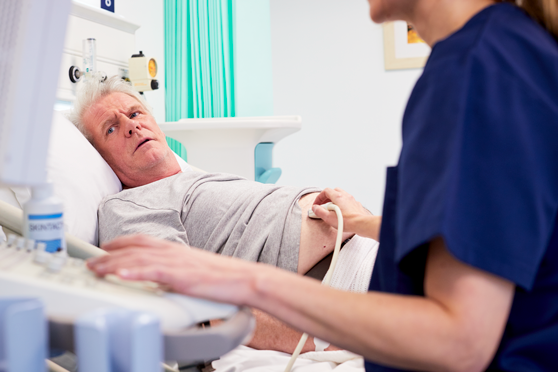
You may have a heart ultrasound (echocardiogram) or MUGA scan if you

  • Are over 70
  • Are known to be diabetic and are over 60
  • Have a history of heart disease or are being treated for high blood pressure
  • Or had an abnormal ECG

You may also need to have a lumbar puncture.

Depending on which group you are in, you go to hospital once or twice in each 3 week treatment cycle. You have regular blood tests.

When you finish treatment, you see the trial team again a couple of weeks later. If you had lymphoma cells in your bone marrow at the beginning of the trial, you may need to have another bone marrow test. You have a CT scan a month after finishing treatment and another a year later.

The trial team will continue to see you for 5 years. You have follow up appointments every 3 months for the first year, then every 6 months.

Side effects

The side effects of CHOP chemotherapy include

The side effects of rituximab include

  • Flu like symptoms
  • Skin rash or itching
  • A feeling of swelling in your mouth or throat
  • A temporary drop in blood pressure
  • Hot flushes or night sweats
  • A runny nose
  • Cough or shortness of breath
  • Pain in your enlarged lymph nodes

The common side effects of bortezomib include

  • Tiredness (fatigue)
  • Constipation or diarrhoea
  • Sickness
  • Loss of appetite
  • Fever or shivers
  • Numbness and tingling in your hands and feet
  • A drop in blood cells causing an increased risk of infection, bleeding problems, tiredness and breathlessness

You must not drink green tea or grapefruit juice during the trial as these can interact with bortezomib.

There is more information about R-CHOP and bortezomib on CancerHelp UK.

Location of trial

For more information

The Information Nurses
Cancer Research UK
Angel Building
407 St John Street
London
EC1V 4AD

Tel: 0808 800 4040
Email: cancer.info@cancer.org.uk

Please note: we cannot help you to join a specific trial. Unless we state otherwise in this trial summary, you must go through your own doctor.

Chief Investigator

Professor Peter Johnson

Supported by

Cancer Research UK
Janssen-Cilag
National Cancer Research Network (NCRN)
University Hospital Southampton NHS Foundation Trust
University of Southampton