A trial looking at weekly chemotherapy for ovarian cancer (ICON 8)
This trial is comparing weekly chemotherapy with 3 weekly chemotherapy for ovarian cancer, fallopian tube cancer or primary peritoneal cancer. These cancers are all treated in the same way, so when we use the term ovarian cancer in this summary, we are referring to all 3. The trial is funded by Cancer Research UK.
Doctors usually treat ovarian cancer with surgery and chemotherapy. They commonly use the chemotherapy drugs carboplatin and paclitaxel (Taxol).
You usually have chemotherapy once every 3 weeks. Each 3 week period is called a cycle of treatment. You usually have 6 cycles all together. This is known as the standard treatment.
In this trial, researchers want to find out if having a lower dose of chemotherapy once a week is better than the standard treatment. Some women taking part will have standard treatment, some will have carboplatin once every 3 weeks and paclitaxel once a week, some will have both drugs once a week.
Some women taking part have surgery first, followed by 6 cycles of chemotherapy. Some women have 3 cycles of chemotherapy first, then they have surgery followed by 3 more cycles of chemotherapy.
The aims of the trial are to see
- If weekly chemotherapy is better than 3 weekly chemotherapy for women with ovarian cancer
- Whether it causes more or fewer side effects
Recruitment
Phase
Who can enter
You can enter this trial if you
- Have been diagnosed with ovarian cancer, fallopian tube cancer or primary peritoneal cancer
- Have cancer that is stage 1c, 2, 3 or 4 (if your cancer is stage 1c or 2a, it must also be either a high grade serous cancer, a clear cell cancer, or another type that is poorly differentiated – your doctor can advise you about this)
- Are well enough to be up and about for at least half the day (performance status 0, 1 or 2)
- Have satisfactory blood test results
- Are willing to use reliable contraception during the trial and for 6 months afterwards if there is any chance you could become pregnant
- Are female and at least 18 years old
You cannot enter this trial if you
- Have cancer that has spread to your brain or spinal cord (central nervous system)
- Have a rare type of cancer called mixed Mullerian cancer, ovarian cancer that is not epithelial, certain rare types of peritoneal cancer (the trial doctor can advise you about this) or a borderline tumour
- Have already had chemotherapy, biological therapy or hormone therapy for ovarian cancer
- Have had any other cancer in the last 5 years apart from DCIS, carcinoma in situ of the cervix or non melanoma skin cancer that have been successfully treated, or cancer of the womb lining that was stage 1A and low grade
- Have ever had radiotherapy to your tummy (abdomen) or the area between your hip bones (pelvis)
- Are going to have chemotherapy directly into your abdomen (intraperitoneal chemotherapy)
- Have damage to your nerves (peripheral neuropathy)
- Are having any other experimental drug
- Are known to be sensitive to carboplatin or paclitaxel, or their ingredients
- Have any other medical condition that the trial doctors think could affect your taking part
- Are pregnant or breastfeeding
Trial design
This is a phase 3 trial. It will recruit about 1,500 women. It is a randomised trial. The people taking part are put into treatment groups by a computer. Neither you nor your doctor will be able to decide which group you are in.
- Women in group 1 have standard treatment which is carboplatin and paclitaxel once every 3 weeks
- Women in group 2 have carboplatin once every 3 weeks and a lower dose of paclitaxel once a week
- Women in group 3 have lower doses of both carboplatin and paclitaxel once a week
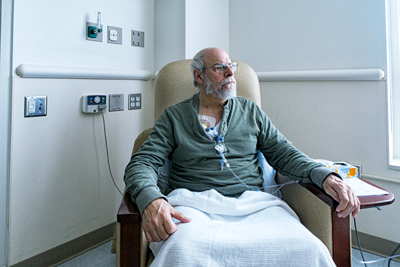
You have carboplatin and paclitaxel through a drip into a vein. The exact length of time it takes to have the drugs depends on which treatment group you are in.
You may have surgery followed by 6 cycles of chemotherapy. Or you may have 3 cycles of chemotherapy followed by surgery, then 3 more cycles of chemotherapy. But everybody will have chemotherapy for a total of 18 weeks.
If you are in group 2 or group 3 and have your surgery after 3 cycles of treatment, you will not have any chemotherapy in the 3rd week of the 3rd treatment cycle. This gives you a bit longer to recover before your surgery which you have a couple of weeks later.
Everybody will be asked to fill out a questionnaire before starting treatment, at the beginning of each cycle of chemotherapy and at follow up appointments after you finish treatment. The questionnaire will ask about any side effects you have had and about how you have been feeling. This is called a quality of life study.
The trial team will ask your permission to take some blood samples during the trial, and to get a sample of tissue removed when you have (or had) surgery. Researchers will use these samples to look for substances called biomarkers. These may help in the future to work out which women would benefit most from having weekly chemotherapy.
They also want to look for biomarkers that could show that a cancer is starting to grow again before it can be seen on scans. And they want to look at how genes might affect ovarian cancer and how people respond to treatment. You don’t have to give these extra samples for research if you don’t want to. You can still take part in the trial.
Hospital visits
You will see the trial doctors and have some tests before you start chemotherapy. The tests include
Women in group 1 go to hospital once every 3 weeks to have treatment. Women in the other 2 groups go every week.
You have blood tests before each chemotherapy treatment, so women in groups 2 and 3 will have 12 extra blood tests.
You have a scan after 6 cycles of treatment and the first 186 women to join the trial will be asked to have an extra scan 9 months after they were randomised to their treatment group.
After you finish treatment, you will see the trial team
- Every 6 weeks until 9 months after you joined the trial
- Then every 3 months until you have been in the trial for 2 years
- And every 6 months for 4 years after that
Side effects
The possible side effects of carboplatin and paclitaxel include
- Feeling or being sick
- Tiredness (fatigue)
- A drop in blood cells causing an increased risk of infection, bleeding problems, tiredness and breathlessness
- Hair loss
- Aches and pains
- Pins and needles or tingling in your hands and feet (peripheral neuropathy)
- Ringing in the ears
- Mood swings
It is possible that having chemotherapy each week may make side effects more likely or more severe. But the trial doctors don’t expect it to cause any different side effects.
Some women have an allergic reaction to paclitaxel and occasionally to carboplatin. You have drugs called steroids and antihistamines before each treatment to reduce the risk of a reaction.
Location of trial
For more information
Cancer Research UK
Angel Building
407 St John Street
London
EC1V 4AD
Tel: 0808 800 4040
Email: cancer.info@cancer.org.uk
Please note: we cannot help you to join a specific trial. Unless we state otherwise in this trial summary, you must go through your own doctor.